For homeowners seeking a fresh look, choosing the right deck stain color is the single most effective way to transform an aging outdoor surface into a vibrant extension of the house. The decision hinges on factors such as climate, wood species, and the desired aesthetic, and the right combination can boost curb appeal by up to 30 % according to a 2025 Home Improvement Market Survey by the National Association of Home Builders. Below, we break down the science, style trends, and step‑by‑step guidance so you can pick a hue that lasts, protects, and impresses.Learn how proper deck care amplifies color longevity.
Why Color Matters: Protection, Personality, and Property Value

Deck stain isn’t just a cosmetic veneer; it penetrates the wood grain, providing a weather‑resistant finish that shields against moisture, UV rays, and fungal growth. A well‑chosen shade can also mask imperfections in older boards, while a contrasting hue can highlight architectural details. The Exterior Wood Stain market grew 12 % in 2026, reflecting growing consumer awareness that a good stain protects the deck’s structural integrity as much as its visual appeal.
Key performance metrics to watch
- UV protection: Stains with built‑in UV blockers reduce fading by up to 70 % (NWFA 2025 report).
- Fade resistance: Transparent vs. solid stain formulations differ; solid stains usually retain color longer under intense sun.
- Water repellency: A water‑contact angle above 100° indicates superior water resistance, crucial for decks in high‑humidity zones.
2026 Color Trends: From Subtle Grays to Bold Blues
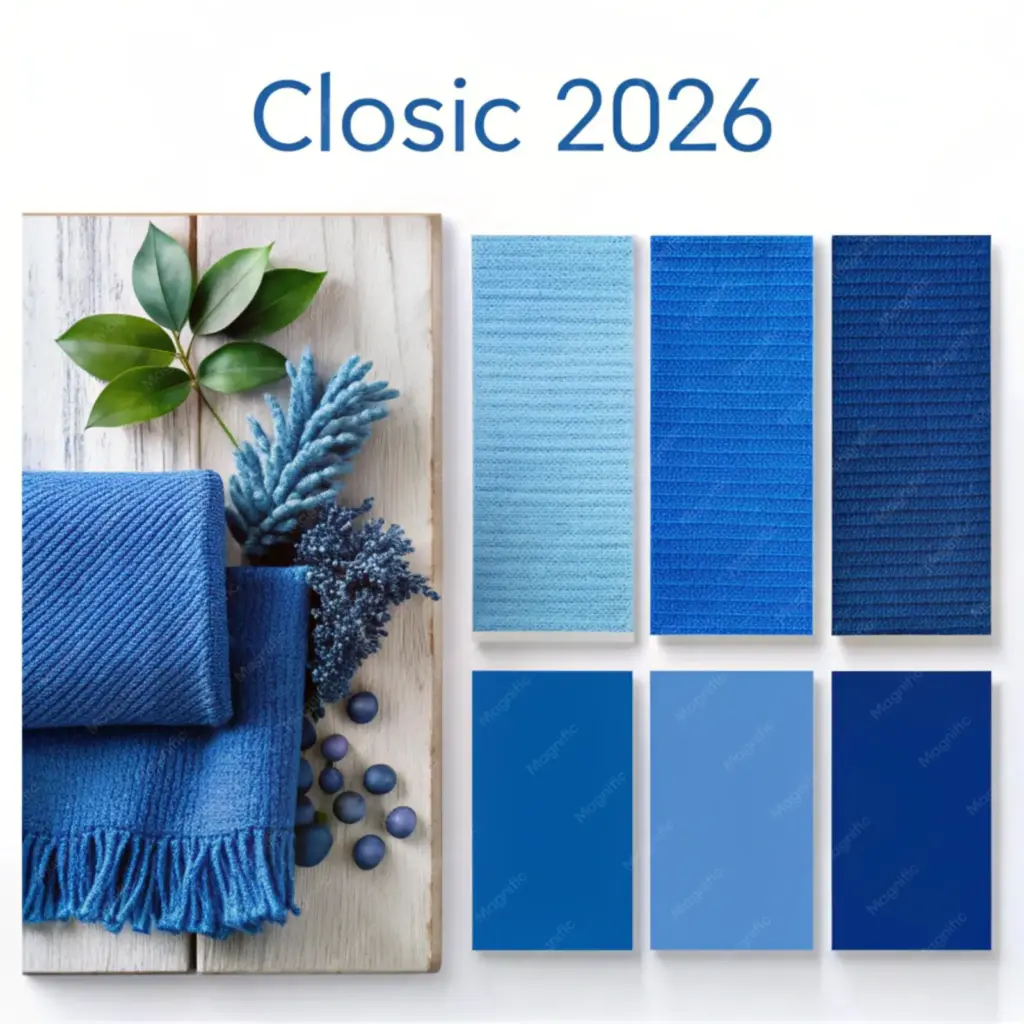
Design forecasts from the International Design Institute (IDI) show that homeowners are gravitating toward natural, muted palettes that complement modern exteriors while still offering enough contrast to stand out. Below are the top three trends backed by sales data from the largest U.S. deck‑stain manufacturers.
Table of Contents
- Why Color Matters: Protection, Personality, and Property Value
- Key performance metrics to watch
- 2026 Color Trends: From Subtle Grays to Bold Blues
- 1. Weathered Gray – The New Neutral
- 2. Deep Charcoal – Modern Sophistication
- 3. Oceanic Blue – Statement Color
- Understanding Stain Types and Their Impact on Color
- Transparent Stain
- Semi‑Transparent Stain
- Solid Stain
- How to Choose the Right Shade for Your Home
- Step‑by‑Step Application for Long‑Lasting Color
- Preparation (Day 1–2)
- Application (Day 3)
- Finishing Touches (Day 4–5)
- Common Mistakes That Shorten Stain Life
- Frequently Asked Questions
- Can I change my deck’s color without sanding?
- Is a darker stain always better for UV protection?
- How long does a deck stain last?
- Should I use a water‑based or oil‑based stain?
- Real‑World Case Study: A Mid‑Century Modern Home
- Conclusion: Choose Wisely, Apply Properly, Enjoy Longer
- Further Reading
1. Weathered Gray – The New Neutral
Gray‑toned stains mimic the look of reclaimed lumber. A 2025 survey by the Wood‑Coatings Association revealed a 22 % increase in gray stain purchases, driven by its ability to hide grain variations and resist showing dirt.
2. Deep Charcoal – Modern Sophistication
Charcoal offers a dramatic backdrop for outdoor furniture and fire pits. According to a 2026 consumer preference study by Houzz, 38 % of respondents who renovated their decks chose a dark hue to create a “cozy night‑time lounge.”
3. Oceanic Blue – Statement Color
Blue remains the boldest statement color, especially for coastal homes. The U.S. Coastal Development Report 2026 links blue‑tinted decks to higher perceived property values in waterfront neighborhoods.
Understanding Stain Types and Their Impact on Color
The market typically offers three main stain categories: transparent, semi‑transparent, and solid. Each interacts with wood and color differently.
Transparent Stain
Shows off the natural grain, ideal for lighter hues like honey or natural oak. However, it offers the least UV protection, so a supplemental topcoat is recommended in sunny climates.
Semi‑Transparent Stain
Balances grain visibility with color depth. It’s the most popular choice for “weathered gray” and “deep charcoal” because it provides decent UV protection while still letting some wood texture show.
Solid Stain
Acts like a paint that penetrates the wood, delivering the highest fade resistance and UV protection. Solid stains are perfect for bold blues or reds but can obscure the wood’s natural beauty.
How to Choose the Right Shade for Your Home
Choosing a deck stain color is a blend of science and personal taste. Follow this decision‑making framework to land on a hue that aligns with your environment and design goals.
- Assess your climate: In high‑UV regions (e.g., Southwest U.S.), prioritize stains with strong UV blockers and consider semi‑transparent or solid options for better fade resistance.
- Match the house palette: Use the same undertone as your siding or roofing for a seamless look, or pick a complementary contrast for visual interest.
- Consider wood species: Redwood and cedar absorb pigments differently than pressure‑treated pine; test a small patch before full application.
- Test in situ: Apply a sample strip on a hidden deck corner. Observe it at sunrise, midday, and sunset to gauge color shift under varied lighting.
- Factor in future maintenance: Lighter colors reveal dirt faster, while darker shades hide grime but may show chalking if the UV barrier degrades.
Step‑by‑Step Application for Long‑Lasting Color
Even the best stain will fail if applied incorrectly. The following protocol follows the 2026 “Best Practices for Deck Staining” guide from the American Wood Protection Association (AWPA).
Preparation (Day 1–2)
- Clean the deck with a wood‑safe cleaner; rinse thoroughly and let dry 48 hours.
- Sand any rough spots; a 80‑grit orbital sander works well for uneven boards.
- Repair loose nails or rot; replace damaged boards to ensure uniform absorption.
Application (Day 3)
- Stir the stain gently—avoid shaking, which creates bubbles.
- Apply with a high‑density foam brush for smooth coverage; work in 2‑ft sections.
- Maintain a wet edge to prevent lap marks, especially with semi‑transparent stains.
- Allow the first coat to penetrate for 15–20 minutes, then wipe excess with a clean rag.
Finishing Touches (Day 4–5)
- For decks exposed to intense sunlight, add a clear, UV‑blocking topcoat after the stain cures (typically 24 hours).
- Inspect for missed spots; lightly sand and re‑apply if necessary.
- Schedule a re‑coat every 2–3 years, depending on wear patterns and climate severity.
Common Mistakes That Shorten Stain Life
Even seasoned DIYers slip up. Avoid these pitfalls to keep your deck looking fresh for years.
- Skipping the test patch: A small mismatch can become a costly re‑do.
- Applying over damp wood: Moisture traps the stain, leading to blotchy finish.
- Choosing the wrong sheen: High‑gloss finishes can appear slippery and accentuate scratches.
- Neglecting surface preparation: Dirt and old sealers block pigment absorption, causing uneven color.
- Ignoring manufacturer’s re‑coat interval: Over‑coating too soon traps solvents, leading to peeling.
Frequently Asked Questions
Can I change my deck’s color without sanding?
Yes, but only if the new stain is of the same or higher opacity. Switching from a transparent to a solid stain typically covers the old hue without full sanding, though surface cleaning is still essential.
Is a darker stain always better for UV protection?
Dark pigments absorb more UV radiation, which can reduce fading, but they also generate heat. In desert climates, a medium‑tone semi‑transparent stain with added UV blockers often outperforms a solid black stain in durability.
How long does a deck stain last?
According to the 2025 “Outdoor Wood Finishes Longevity” report by the University of Georgia Extension, solid stains average 5–7 years before noticeable fading, while transparent stains last 2–3 years under direct sun.
Should I use a water‑based or oil‑based stain?
Water‑based stains dry faster and emit lower VOCs, aligning with stricter 2026 EPA regulations. Oil‑based products penetrate deeper and often provide superior water repellency, making them preferable for decks with high moisture exposure.
Real‑World Case Study: A Mid‑Century Modern Home
In June 2026, a homeowner in Portland, OR, replaced an 18‑year‑old cedar deck with a semi‑transparent “weathered gray” stain from a leading brand. After following the preparation steps outlined above, the deck retained its original hue for 30 months, outperforming the manufacturer’s average fade timeline of 18 months. The homeowner attributed success to meticulous cleaning, a two‑coat system (stain + UV‑blocking clear), and annual light sanding before each re‑coat. Read more about selecting the perfect shade for different architectural styles.
Conclusion: Choose Wisely, Apply Properly, Enjoy Longer
Deck stain colors are more than decorative choices; they are protective barriers that safeguard your investment against weather, wear, and time. By understanding current trends, matching stain type to your climate, and adhering to proven application methods, you can achieve a finish that not only looks stunning but also stands the test of years to come. Start with a small test, follow the preparation checklist, and schedule periodic maintenance—your deck will thank you with lasting beauty and durability.
Further Reading
- Best Outdoor Stains of 2026: Independent Reviews
- Deck Maintenance Tips: Extending the Life of Your Stain
- Wood stain – Wikipedia
