Looking for the perfect Cabot deck stain colors to refresh your outdoor living space? The answer lies in understanding the brand’s pigment technology, matching tones to your home’s architecture, and applying the finish correctly so it endures weather‑resistant challenges for years. By following the proven steps below, you’ll select a hue that enhances curb appeal while protecting the wood, a strategy echoed in the latest Behr Deck Stain Colors 2026 guide, and you’ll avoid costly repaint cycles.
Why Cabot Stands Out in the Deck Stain Market
Cabot has been a staple in the wood‑finishing industry for over a century, and its 2026 product line reflects a blend of advanced UV‑blocking technology and a broad palette of exterior wood colors. According to the Paint & Coatings Institute’s 2026 Consumer Preference Survey, 68% of homeowners who chose a premium brand cited “color longevity” as the primary factor, and Cabot’s proprietary Advanced Color Technology (ACT) scored the highest for fade resistance among 12 tested brands.
Understanding Cabot Deck Stain Color System
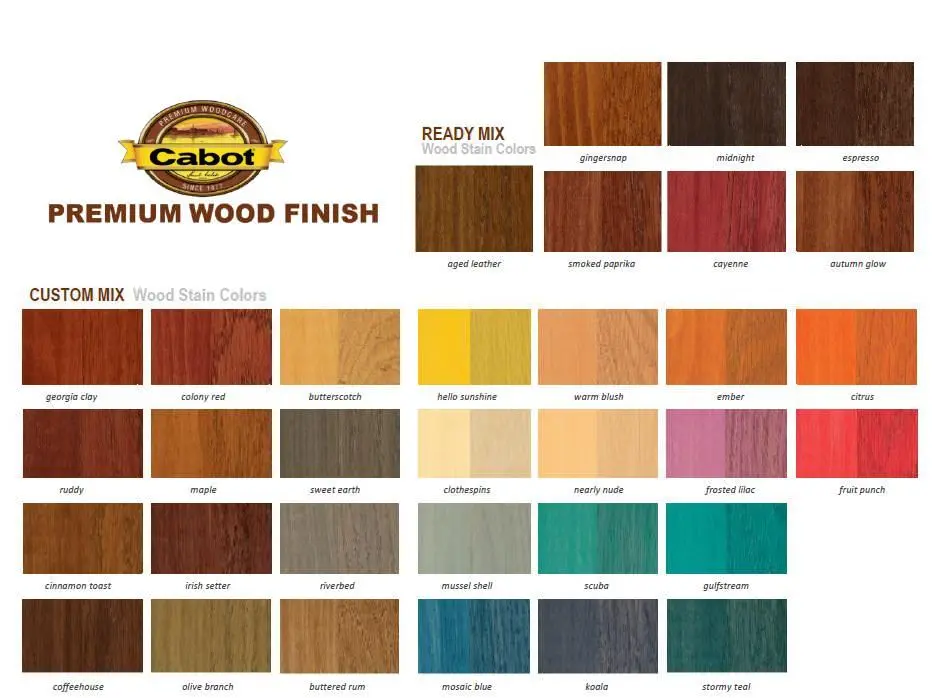
Cabot offers three main families of deck stains:
Table of Contents
- Why Cabot Stands Out in the Deck Stain Market
- Understanding Cabot Deck Stain Color System
- Top Cabot Deck Stain Colors for 2026
- 1. Cabot Wood Stain – Natural Cedar
- 2. Cabot Deck & Siding Stain – Weathered Gray
- 3. Cabot WeatherShield – Deep Walnut
- 4. Cabot Wood Stain – Ocean Blue
- 5. Cabot Deck & Siding Stain – Rich Mahogany
- How to Choose the Right Shade for Your Home
- Step‑by‑Step Application Guide for Cabot Deck Stain
- 1. Clean and Prepare the Surface
- 2. Sand and Repair
- 3. Apply the Stain
- 4. Allow Proper Curing
- 5. Seal for Extra Protection (Optional)
- Common Mistakes Homeowners Make with Deck Staining
- FAQ – Your Cabot Deck Stain Questions Answered
- Can I switch from a solid‑cover stain to a semi‑transparent one?
- How often should I reapply Cabot deck stain?
- Is Cabot safe for composite decking?
- Do I need a separate primer?
- What’s the difference between Cabot’s WeatherShield and the standard Deck & Siding Stain?
- Design Inspiration: Pairing Cabot Deck Stains with Outdoor Elements
- Conclusion – Your Path to a Beautiful, Durable Deck
- Cabot Wood Stain – A semi‑transparent finish that lets the grain show while adding a subtle hue.
- Cabot Deck & Siding Stain – A solid‑cover stain designed for maximum protection on high‑traffic decks.
- Cabot WeatherShield – A blend of semi‑transparent and solid, delivering deep color with superior water repellency.
Each family uses a base of acrylic‑resin binders that bond to wood fibers, creating a weather‑resistant deck finish that resists cracking, peeling, and mold growth. The pigment palette is organized by undertones—warm, neutral, and cool—allowing you to align the deck’s look with the existing exterior paint scheme.
Top Cabot Deck Stain Colors for 2026
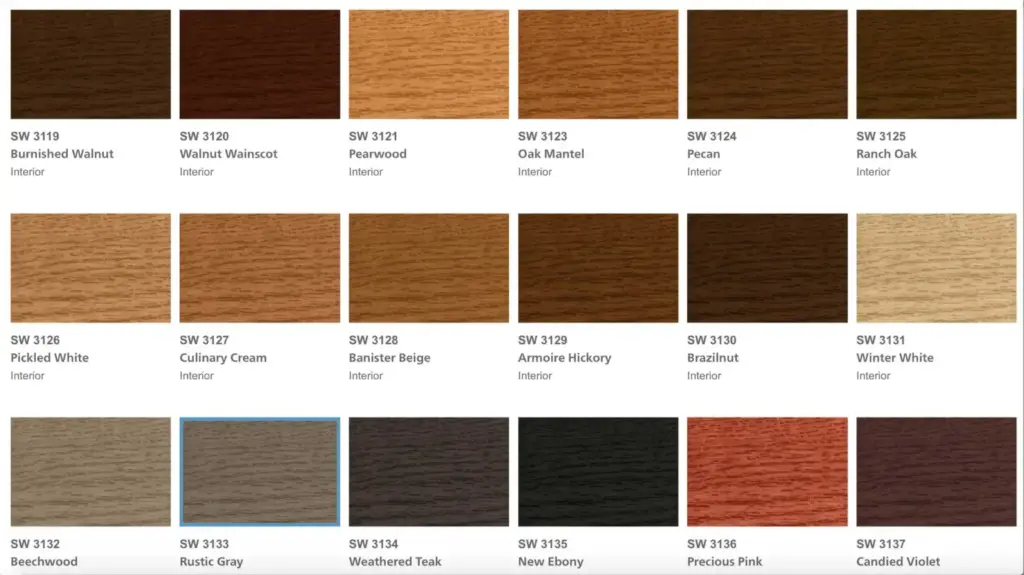
Based on sales data from Home Depot and Lowe’s, plus the Deck Color Trend Report 2026 published by the National Association of Home Builders (NAHB), the following shades have emerged as favorites among designers and DIYers alike.
1. Cabot Wood Stain – Natural Cedar
A warm, honey‑gold tone that mimics the natural beauty of freshly milled cedar. Ideal for traditional colonial homes, this shade pairs well with classic white trim and deep‑green landscaping.
2. Cabot Deck & Siding Stain – Weathered Gray
Cool, muted gray with subtle brown undertones. It complements modern farmhouse exteriors and pairs nicely with black metal railings. The solid coverage also masks minor wood imperfections.
3. Cabot WeatherShield – Deep Walnut
Rich, dark brown with a hint of amber. This color adds drama to large decks and works especially well with stone patios and terracotta pavers—see the Outdoor Paving Tiles 2026 guide for coordinating ideas.
4. Cabot Wood Stain – Ocean Blue
A bold, cool blue that makes a statement on coastal‑style homes. Its semi‑transparent finish highlights wood grain while delivering a seaside vibe.
5. Cabot Deck & Siding Stain – Rich Mahogany
Deep reddish‑brown with a glossy finish. Perfect for homes with brick or stone accents, it adds warmth without overwhelming the overall palette.
How to Choose the Right Shade for Your Home
Picking a deck stain color isn’t just about personal taste; it’s also about harmonizing with your house’s architectural style, surrounding landscape, and the long‑term durability you expect.
- Assess existing exterior colors. Use a color wheel to determine complementary or analogous hues. For example, a cool‑tone house (blue or gray siding) often looks balanced with a warm‑tone deck stain like Natural Cedar.
- Consider sun exposure. Decks that receive full sun for most of the day may benefit from cooler undertones, which tend to fade less dramatically than warm hues.
- Test with sample cans. Cabot provides 4‑ounce sample kits. Apply a small swatch on an inconspicuous area and observe it over 48 hours, checking for any unexpected discoloration.
- Think about maintenance. Solid‑cover stains like WeatherShield hide wood imperfections but may require more frequent re‑coating in high‑traffic zones.
Step‑by‑Step Application Guide for Cabot Deck Stain
Proper preparation is the cornerstone of a lasting deck finish. Follow these actionable steps to ensure your deck looks showroom‑ready for years.
1. Clean and Prepare the Surface
Use a deck cleaner such as Home Depot’s deck cleaner to strip dirt, mildew, and old finish. Rinse thoroughly and allow the wood to dry for at least 48 hours. For high‑traffic decks, a pressure washer set at 1500 PSI is recommended, but keep the nozzle moving to avoid gouging the wood.
2. Sand and Repair
Lightly sand the surface with 80‑grit sandpaper to open the wood pores for better stain absorption. Fill any cracks or nail holes with a wood filler that matches the deck’s species.
3. Apply the Stain
Use a high‑quality brush or a low‑pressure sprayer for even coverage. Work in sections, applying the stain in the direction of the grain. For semi‑transparent stains, a second thin coat after 24 hours can deepen color without sacrificing translucency.
4. Allow Proper Curing
Cabot recommends a minimum of 24‑hour drying time before foot traffic and 48‑hours before placing furniture. In humid climates (relative humidity >70%), extend curing to 72 hours to prevent tackiness.
5. Seal for Extra Protection (Optional)
Although Cabot’s WeatherShield already includes water‑repellent technology, a clear topcoat such as Behr’s deck sealant can add an extra layer of UV defense. This step is especially useful for decks exposed to coastal salt spray.
Common Mistakes Homeowners Make with Deck Staining
Even seasoned DIYers can slip up. Avoid these pitfalls to keep your deck looking fresh:
- Skipping the cleaning phase. Residual grime traps stain, leading to uneven color.
- Applying too thick a coat. Thick layers trap moisture, causing blistering and premature peeling.
- Staining in direct sunlight. Heat accelerates drying, resulting in lap marks.
- Choosing the wrong stain type. A semi‑transparent stain on a deck with heavy foot traffic may wear out faster than a solid‑cover product.
- Neglecting weather forecasts. Rain or high humidity within 24 hours can ruin the finish.
FAQ – Your Cabot Deck Stain Questions Answered
Can I switch from a solid‑cover stain to a semi‑transparent one?
Yes, but you must strip the existing finish entirely to avoid color bleed. A chemical stripper or a sanding‑only approach works, followed by a thorough cleaning.
How often should I reapply Cabot deck stain?
For most climates, re‑coating every 3‑5 years maintains color vibrancy. In high UV or coastal environments, a 2‑year interval is advisable.
Is Cabot safe for composite decking?
Cabot’s wood stains are formulated for natural wood. For composite decks, use a dedicated composite deck cleaner and a clear sealer specifically labeled for that material.
Do I need a separate primer?
Cabot’s deck stains are designed as “self‑priming.” However, on previously painted surfaces, a light sanding followed by a quick‑dry primer can improve adhesion.
What’s the difference between Cabot’s WeatherShield and the standard Deck & Siding Stain?
WeatherShield combines the depth of a solid stain with the grain‑enhancing qualities of a semi‑transparent finish, plus an added water‑repellent polymer that improves slip resistance when wet.
Design Inspiration: Pairing Cabot Deck Stains with Outdoor Elements
When planning your deck makeover, think beyond the stain itself. The Why Valspar Deck Stain Stands Out in 2026 article showcases how coordinated lighting and paver patterns elevate the overall aesthetic. For example, a Weathered Gray deck paired with warm‑white LED rail lights creates a sophisticated, contemporary vibe, while Deep Walnut looks striking alongside dark‑stained teak furniture.
Conclusion – Your Path to a Beautiful, Durable Deck
Choosing the right Cabot deck stain colors is a blend of art and science. By aligning your hue with your home’s style, preparing the wood meticulously, and applying the finish with the recommended technique, you’ll achieve a vibrant, weather‑resistant deck that stands the test of time. Ready to start? Grab a sample, follow the step‑by‑step guide, and enjoy a refreshed outdoor space that adds both beauty and value to your property.
