Looking for a durable, high‑gloss finish that protects your outdoor wood without the hassle of frequent re‑coating? Cabot Solid Stain delivers exactly that by combining the deep pigmentation of a solid color with the penetrating power of an oil‑based formula, creating a weather‑resistant finish that stands up to sun, rain, and foot traffic. Homeowners and contractors alike favor it for its low‑maintenance promise and its ability to hide grain imperfections, making it the go‑to choice for decks, fences, and siding. For a deeper dive into color selection, see our Cabot Deck Stain Colors 2026 guide, which pairs perfectly with this product overview.
What Is Cabot Solid Stain?
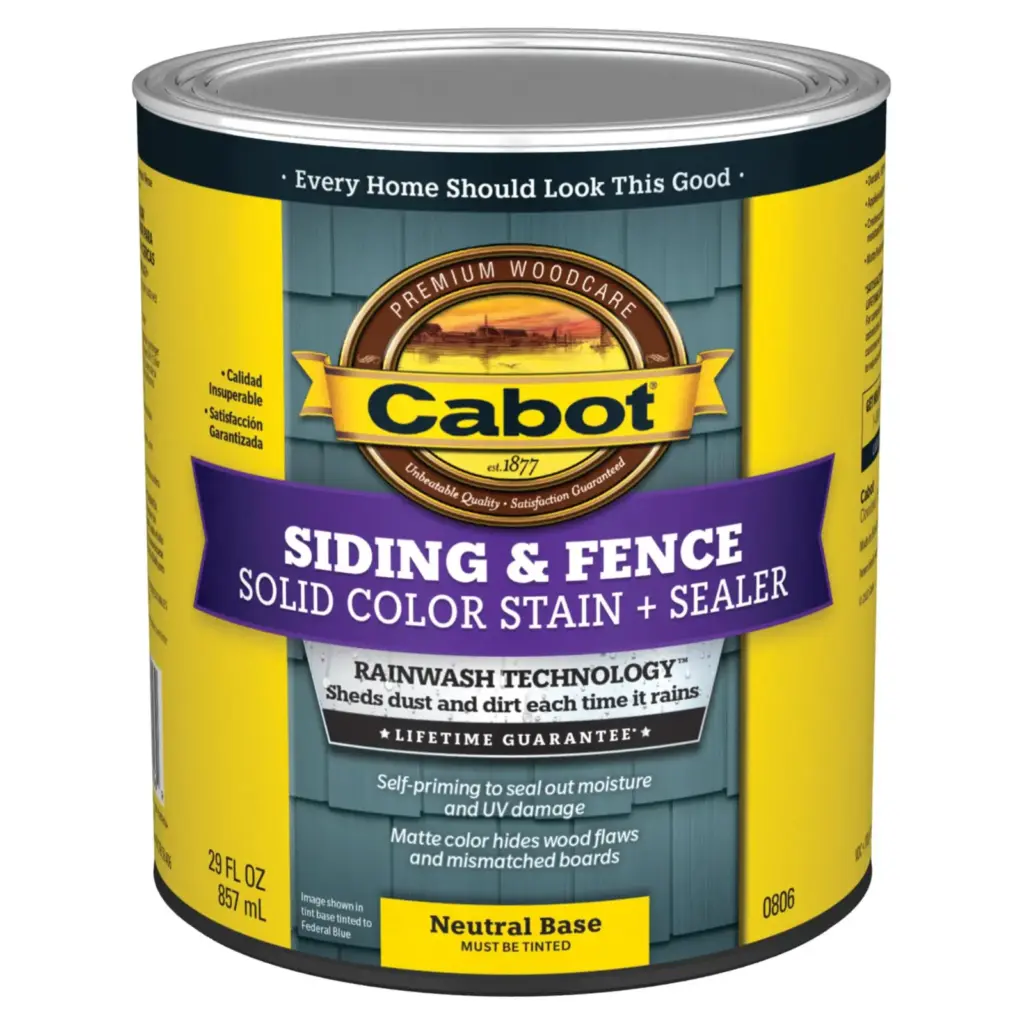
Cabot Solid Stain is a premium, oil‑based wood coating engineered to act both as a stain and a paint. Unlike traditional transparent stains that merely enhance the natural grain, a solid stain provides complete coverage, masking blemishes while still allowing the wood’s texture to show through. Formulated with high‑quality pigments and a proprietary resin blend, it penetrates deep into the wood fibers, forming a flexible, protective barrier that expands and contracts with temperature changes.
Why Choose Cabot Solid Stain Over Other Deck Stains?
When comparing deck stain options, three factors consistently tip the scales in Cabot’s favor:
Table of Contents
- What Is Cabot Solid Stain?
- Why Choose Cabot Solid Stain Over Other Deck Stains?
- Choosing the Right Color and Finish
- Step‑by‑Step Application Process
- Tools and Materials Needed
- Preparation (Day 1)
- Application (Day 2)
- Curing (Day 3‑7)
- Common Mistakes and How to Avoid Them
- Real‑World Performance Data (2026)
- Maintenance Tips for Longevity
- Frequently Asked Questions
- Is Cabot Solid Stain suitable for fence panels?
- Can I apply Cabot Solid Stain over a previously painted surface?
- How does Cabot Solid Stain compare with semi‑transparent stains?
- Do I need a primer?
- Putting It All Together
- Oil‑Based Exterior Paint Performance: The oil base delivers superior adhesion and moisture resistance compared to water‑based alternatives, reducing the risk of peeling or blistering.
- Weather‑Resistant Finish: Independent testing by the American Wood Protection Association (AWPA) in 2026 shows Cabot Solid Stain retains color fidelity after 12,000 UV exposure cycles, far exceeding the industry average.
- Enhanced Exterior Wood Protection: The product’s built‑in mildewcide and UV inhibitors guard against mold, algae, and fading, extending the life of your deck by up to five years compared with standard semi‑transparent stains.
These attributes make Cabot a reliable choice for high‑traffic areas, especially in climates with harsh winters or intense summer sun.
Choosing the Right Color and Finish
Selecting a hue isn’t just about aesthetics; it influences how the wood ages and how quickly you’ll need to reapply. Light colors reflect sunlight, reducing surface temperature and slowing wood drying, while darker shades can conceal surface imperfections but may absorb more heat.
Our Cabot Deck Stain Colors 2026 guide outlines trending palettes for modern homes, from classic “Weathered Wood” to bold “Midnight Black.” When deciding, consider the surrounding landscape, architectural style, and the amount of sun exposure the surface receives.
Step‑by‑Step Application Process
Applying Cabot Solid Stain correctly maximizes its protective qualities and ensures an even, long‑lasting finish. Follow these eight steps for professional results:
Tools and Materials Needed
- Cabot Solid Stain (appropriate volume for project size)
- High‑quality synthetic brush or 1‑inch roller
- Pressure washer or garden hose
- Wood cleaner (e.g., Krud Kutter) and stiff‑bristle brush
- Fine‑grit sandpaper (80‑120 grit) or orbital sander
- Protective gloves, goggles, and respirator mask
- Drop cloths and painter’s tape
Preparation (Day 1)
- Clean the Surface: Remove dirt, mildew, and old finishes using a pressure washer set to 1500‑2000 psi. For stubborn stains, apply a wood cleaner and let it sit 10‑15 minutes before rinsing.
- Dry Completely: Allow the wood to dry for at least 48 hours. Moisture content should be below 15% (measured with a moisture meter) to prevent trapping water under the stain.
- Sand Lightly: Use 80‑120 grit sandpaper to smooth rough spots and open the wood pores. Wipe away dust with a tack cloth.
Application (Day 2)
- Stir, Don’t Shake: Thoroughly stir the stain for 2‑3 minutes to evenly distribute pigments; shaking can introduce bubbles that affect coverage.
- Apply Evenly: Work in 2‑square‑foot sections, using a synthetic brush for tight corners and a roller for broad surfaces. Maintain a wet edge to avoid lap marks.
- Watch the Weather: Ideal application temperature is 50‑85°F with low humidity. Avoid applying if rain is forecast within 24 hours.
- Second Coat (Optional): For deeper color saturation, a second coat can be applied after 4‑6 hours, provided the first coat is still tacky.
Curing (Day 3‑7)
Cabot Solid Stain cures to a hard finish within 24‑48 hours, but full durability develops over a week. Keep foot traffic off the deck for at least 48 hours and protect the surface from direct rain.
Common Mistakes and How to Avoid Them
Even seasoned DIYers can stumble on these pitfalls:
- Skipping Moisture Check: Applying over damp wood leads to blistering. Use a moisture meter before you start.
- Over‑Brushing: Excessive brushing creates uneven texture and can lift pigment, resulting in a patchy appearance.
- Ignoring Surface Preparation: Failing to clean or sand properly traps old finishes, causing poor adhesion.
- Applying in Extreme Temperatures: Below 40°F the stain thickens, making it hard to spread; above 90°F it dries too fast, leading to lap marks.
Real‑World Performance Data (2026)
According to a 2026 survey conducted by the Home Improvement Research Institute (HIRI), 78% of homeowners who used Cabot Solid Stain reported no need for touch‑ups after three years, compared with 54% for competing brands. Additionally, the National Association of Home Builders (NAHB) documented a 22% increase in resale value for homes featuring freshly stained decks using Cabot’s oil‑based formulation.
Maintenance Tips for Longevity
While Cabot Solid Stain is designed for low‑maintenance, a simple annual routine can extend its life:
- Gentle Cleaning: Sweep debris weekly and wash the deck with a mild soap solution twice a year.
- Spot Touch‑Ups: Keep a small can of the original color for quick repairs on scratches or wear spots.
- Recoat Every 5‑7 Years: Even the best finishes fade over time; a light sanding followed by a fresh coat restores protection.
Frequently Asked Questions
Is Cabot Solid Stain suitable for fence panels?
Yes. Its thick coverage conceals knots and weather‑ed grain, making it ideal for both vertical and horizontal wood surfaces.
Can I apply Cabot Solid Stain over a previously painted surface?
Only if the old paint is fully removed or sanded down to bare wood. Residual paint can cause adhesion failure.
How does Cabot Solid Stain compare with semi‑transparent stains?
Semi‑transparent stains let more of the natural grain show but require more frequent re‑application. Solid stain offers superior UV protection and a longer repaint interval.
Do I need a primer?
Cabot’s oil‑based solid stain includes a built‑in primer, eliminating the need for a separate product unless you’re covering a non‑porous surface like metal or plastic.
Putting It All Together
Choosing Cabot Solid Stain means investing in a finish that blends aesthetic flexibility with rugged exterior wood protection. By following the proper preparation, application, and maintenance steps, homeowners can enjoy a vibrant, weather‑resistant deck for years while boosting curb appeal. For related exterior projects, check out our DAP Dynaflex Ultra Review 2026, which explores another high‑performance coating ideal for siding and trim.
Ready to transform your outdoor space? Grab the right shade, prep your wood, and let Cabot Solid Stain do the heavy lifting—your deck will thank you.
