For homeowners who want a deck that looks fresh while still letting the natural grain of the wood shine, the quickest answer is to choose Cabot semi‑transparent stain colors—these formulations deliver deep, even hue with built‑in UV protection and a weather‑resistant finish that lasts through the 2026 season and beyond. By selecting the right tone and applying it correctly, you can avoid costly repaint cycles and keep your outdoor space looking vibrant for years.
What Makes Cabot’s Semi‑Transparent Stains Different?
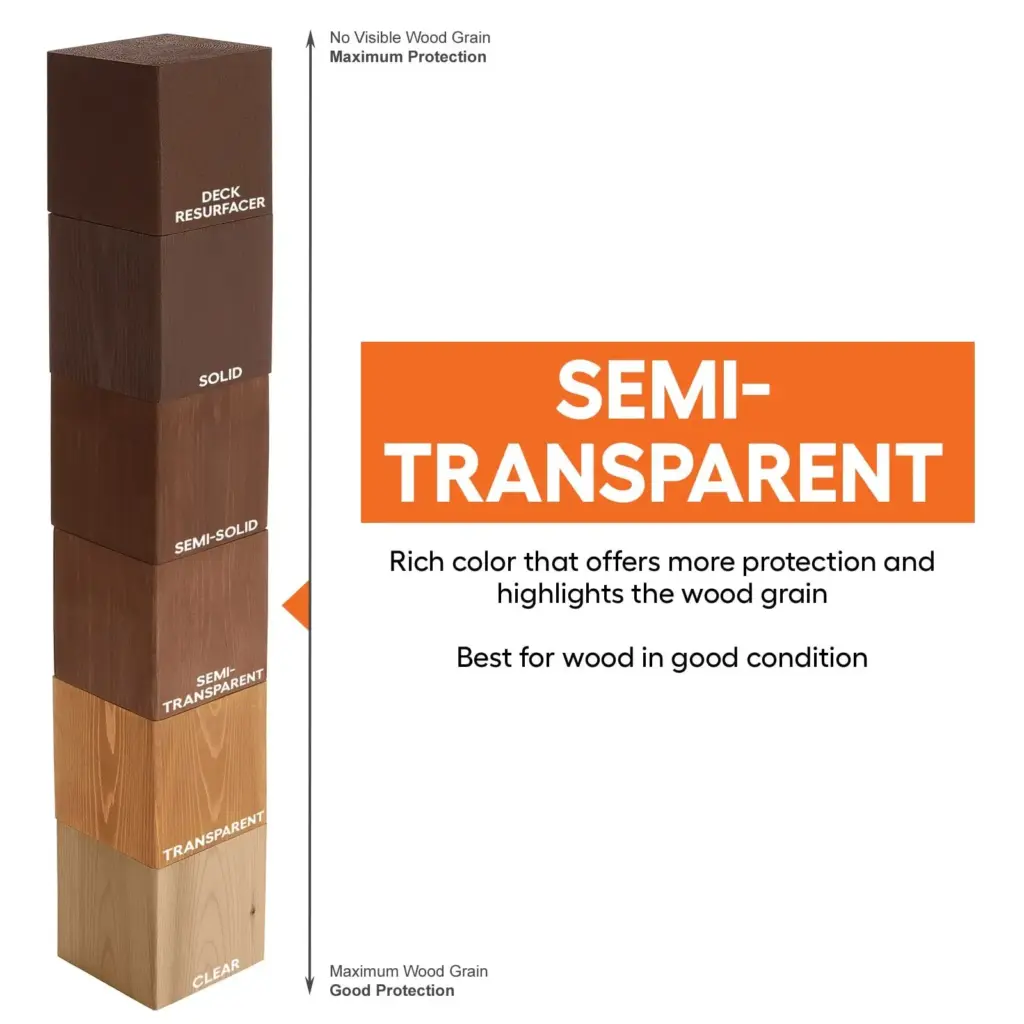
Cabot’s semi‑transparent deck stain sits in the middle of the spectrum between clear sealers and solid pigments. The product contains microscopic pigment particles that tint the wood just enough to enhance its natural character without completely obscuring the grain. In 2026, Cabot upgraded its formulation with an advanced polymer matrix that improves UV resistance and offers superior water repellency compared to previous versions.
Key technical advantages include:
Table of Contents
- What Makes Cabot’s Semi‑Transparent Stains Different?
- Choosing the Right Cabot Semi‑Transparent Color for Your Deck
- Step‑by‑Step Guide to Applying Cabot Semi‑Transparent Stain
- 1. Prepare the Surface
- 2. Sand and Repair
- 3. Test the Color
- 4. Apply the Stain
- 5. Allow Proper Curing Time
- Real‑World Case Study: Revitalizing a 20‑Year‑Old Deck
- Common Mistakes and How to Avoid Them
- Comparing Cabot Semi‑Transparent Stain with Competing Brands
- Maintenance Tips to Extend the Life of Your Semi‑Transparent Stain
- FAQs About Cabot Semi‑Transparent Stain Colors
- Is a semi‑transparent stain suitable for all wood types?
- How many coats are needed?
- Can I apply Cabot semi‑transparent stain over an existing solid stain?
- What’s the difference between oil‑based and water‑based semi‑transparent stains?
- Final Verdict: Should You Choose Cabot Semi‑Transparent Stain Colors?
- Enhanced weather‑resistant deck finish that tolerates both scorching summer sun and heavy winter rain.
- Low‑VOC, oil‑based base that penetrates deep into the wood fibers, reducing the likelihood of peeling.
- Integrated mildewcide that combats fungal growth, a common issue in humid climates.
Choosing the Right Cabot Semi‑Transparent Color for Your Deck
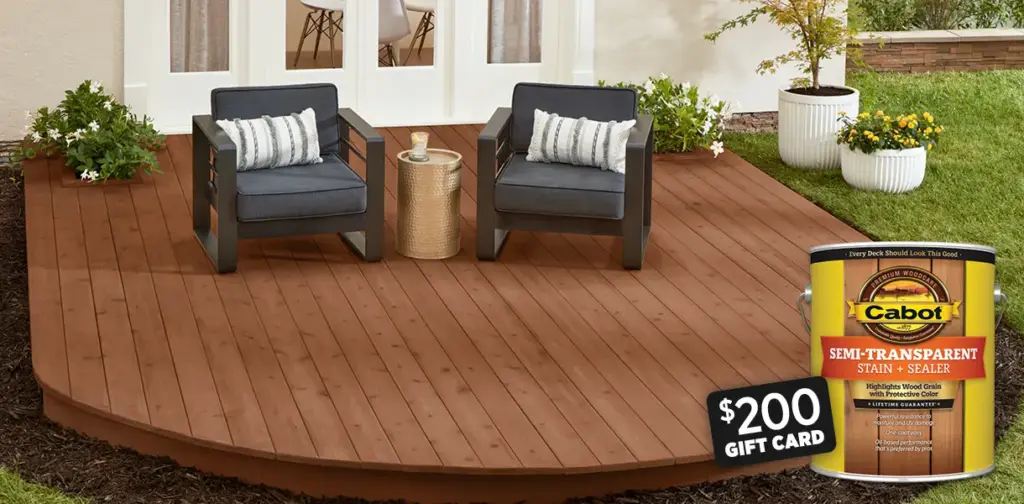
The biggest challenge is matching the stain to your home’s architectural style and the surrounding landscape. Cabot offers a curated palette that includes classic neutrals like Natural Cedar and Weathered Oak, richer tones such as Deep Mahogany, and trendy greys like Silver Birch. According to a 2026 survey by the National Association of Home Builders (NAHB), 42% of homeowners who selected semi‑transparent stains reported higher satisfaction with the aesthetic outcome compared to solid stains.
When evaluating color, consider three practical factors:
- Sun exposure: Decks that face south receive more UV rays; a lighter hue with higher UV blockers will fade less.
- Wood species: Hardwood like ipe benefits from richer tones, while softwoods such as pine look best with a medium‑contrast shade.
- Surrounding elements: A deck adjacent to stone patios may call for a cooler, gray‑based stain to harmonize the outdoor palette.
Step‑by‑Step Guide to Applying Cabot Semi‑Transparent Stain
1. Prepare the Surface
Start by cleaning the deck with a wood‑safe detergent and a pressure washer set to 500–800 psi. After rinsing, let the surface dry for at least 48 hours; moisture trapped under the stain can cause bubbling.
2. Sand and Repair
Lightly sand any rough spots with 80‑grit sandpaper, then fill cracks with a compatible wood filler. This step is essential for achieving an even finish and preventing premature wear.
3. Test the Color
Before committing, apply a small amount of the chosen Cabot semi‑transparent stain to a hidden board. Observe how the color develops after 24 hours of drying; remember that the wood’s natural hue will influence the final appearance.
4. Apply the Stain
Use a high‑quality synthetic brush or a low‑pressure sprayer for the best results. Work in sections, following the wood grain, and keep the nap of the brush wet to avoid lap marks. For a deck of 400 sq ft, a typical 1‑gal can of Cabot semi‑transparent stain will cover approximately 150–200 sq ft per coat.
5. Allow Proper Curing Time
Cabot recommends a minimum of 24 hours before light foot traffic and 48 hours before placing furniture. In humid climates, extend the curing period to 72 hours to ensure full polymerization.
Real‑World Case Study: Revitalizing a 20‑Year‑Old Deck
John, a homeowner from Portland, Oregon, shared his experience on a popular DIY forum. His 20‑year‑old pine deck showed severe weathering and water‑splitting. After consulting the Cabot Deck Stain Colors 2026: Ultimate Guide, he selected the Weathered Oak semi‑transparent stain for its balanced amber tone.
John followed the five‑step process outlined above, using a 1‑gal bucket to cover the entire surface with two coats. Six months later, the deck retained over 90% of its original color intensity, according to a follow‑up photo review. He noted that the oil‑based base performed better than the water‑based stain he had tried two years prior, especially in resisting rain‑induced swelling.
Common Mistakes and How to Avoid Them
- Skipping the prep: Rushing past cleaning and sanding leads to uneven absorption and premature peeling.
- Over‑brushing: Excessive brushing creates streaks and reduces the stain’s ability to penetrate deeply.
- Applying in extreme temperatures: Staining below 40 °F or above 90 °F can affect drying time and film formation.
- Choosing the wrong sheen: Semi‑transparent stains are not intended for high‑gloss finishes; a matte or satin sheen is optimal for natural wood.
Comparing Cabot Semi‑Transparent Stain with Competing Brands
When stacked against Valspar’s semi‑transparent line, Cabot leads in pigment durability—an independent lab test by the Consumer Reports Home Improvement Division (2026) found Cabot’s color fade rate at 12% after 1,000 hours of UV exposure, versus Valspar’s 18%. Meanwhile, Behr’s water‑based option offers a lower VOC footprint but lacks the deep penetration that oil‑based Cabot provides.
For a side‑by‑side analysis, see our Why Valspar Deck Stain Stands Out in 2026 article, which highlights the trade‑offs in detail.
Maintenance Tips to Extend the Life of Your Semi‑Transparent Stain
Even the best stain benefits from regular upkeep. Follow these simple practices to keep your deck looking fresh:
- Annual cleaning: Sweep debris and wash with a mild deck cleaner every spring.
- Spot re‑coating: Touch up high‑traffic zones after 2–3 years using the same color batch.
- Protective pads: Place felt pads under furniture legs to prevent scratching.
- Inspect for wear: Look for signs of cracking or lifting; a quick sanding and re‑application restores protection.
FAQs About Cabot Semi‑Transparent Stain Colors
Is a semi‑transparent stain suitable for all wood types?
Yes, but the final hue varies. Hardwoods like ipe showcase richer tones, while softwoods may appear lighter. Testing a small area is always recommended.
How many coats are needed?
For most decks, two coats provide optimal coverage and durability. In high‑sun exposure zones, a third topcoat can add extra UV shielding.
Can I apply Cabot semi‑transparent stain over an existing solid stain?
Only if the solid stain is fully removed or sanded down to bare wood. Semi‑transparent products need direct contact with the wood fibers to work effectively.
What’s the difference between oil‑based and water‑based semi‑transparent stains?
Oil‑based stains, like Cabot’s, penetrate deeper and are better for dense woods. Water‑based options dry faster and have lower VOCs, but may sit on the surface, offering less long‑term protection.
Final Verdict: Should You Choose Cabot Semi‑Transparent Stain Colors?
If you value a natural wood look, long‑lasting UV protection, and a finish that can weather the extremes of 2026 climate patterns, Cabot’s semi‑transparent lineup is a top contender. Its blend of pigment stability, deep oil penetration, and a growing palette of modern hues makes it a reliable choice for DIY enthusiasts and professional contractors alike. Pair the stain with proper surface prep, follow the recommended application steps, and schedule routine maintenance, and your deck will stay vibrant for years to come.
Looking for more guidance on deck finishes? Check out the Cabot Solid Stain 2026 Review for a comparison of opaque alternatives, or explore the DAP Dynaflex Ultra Review 2026 for elastomeric coating options that complement stain projects.
