Choosing the right exterior door paint is the most effective way to protect your home’s first impression from the elements while boosting curb appeal. A high‑quality, weather‑resistant paint applied with proper surface preparation can last a decade or more, preventing rot, fading, and water damage. Below we break down the science, style, and step‑by‑step process so you can pick the perfect finish for any climate and budget.
Why Exterior Door Paint Matters More Than You Think
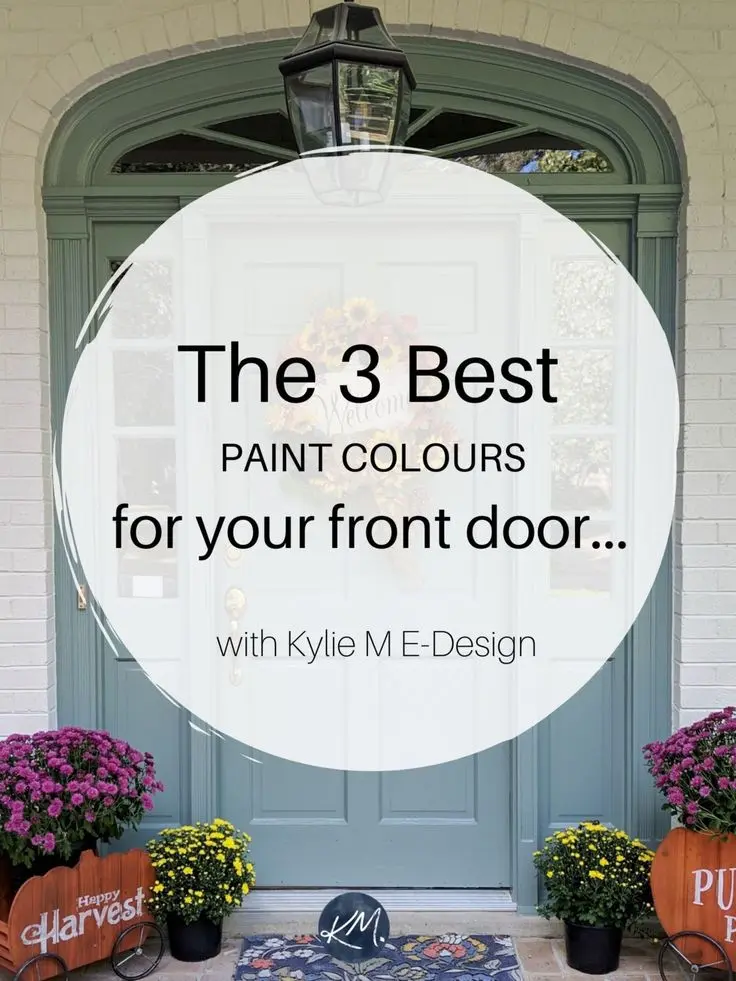
Unlike interior walls, exterior doors endure constant exposure to sun, rain, wind, and temperature swings. According to the National Association of Home Builders (NAHB) 2025 report, doors painted with premium, UV‑blocking formulations show 30 % less color fading after five years. The right paint not only shields wood or metal from moisture intrusion but also provides a barrier against pests and thermal loss, contributing to overall energy efficiency.
Key Benefits of the Right Paint
- Weather resistance: Advanced acrylic‑latex blends repel water while allowing the substrate to breathe.
- Durability: High‑build formulas resist chipping and cracking, extending service life.
- Security & safety: Some finishes contain anti‑slip additives that reduce the risk of accidents on glossy surfaces.
- Value boost: A freshly painted door can increase perceived property value by up to 5 % in buyer surveys (Real Estate Institute 2026).
Understanding Paint Types and Finish Options
The market offers several families of exterior door paint, each suited to different materials and aesthetic goals. Below is a quick reference.
Table of Contents
- Why Exterior Door Paint Matters More Than You Think
- Key Benefits of the Right Paint
- Understanding Paint Types and Finish Options
- Acrylic‑Latex Paints
- Oil‑Based Enamels
- Hybrid Polyurethane Coatings
- Choosing the Right Color: 2026 Trends
- Step‑by‑Step Guide to Painting Your Exterior Door
- 1. Assess and Repair the Surface
- 2. Clean Thoroughly
- 3. Prime the Door
- 4. Choose and Apply Paint
- 5. Protect the Finish
- Common Mistakes and How to Avoid Them
- Real‑World Case Study: A Mid‑Century Home in Austin, TX
- FAQ – Quick Answers to Common Questions
- What is the best finish for an exterior door?
- How often should I repaint my exterior door?
- Can I use the same paint on wood and metal doors?
- Is low‑VOC paint suitable for exterior doors?
- Future Outlook: Smart Paints and Sustainable Options
- Bottom Line
- Further Reading
Acrylic‑Latex Paints
These water‑based paints dominate the residential sector due to their low VOC content and excellent adhesion on wood, fiberglass, and steel. When paired with a high‑quality door primer, they create a flexible, breathable film that tolerates expansion and contraction.
Oil‑Based Enamels
Oil‑based products still win on durability for metal doors, especially in coastal areas where salt spray accelerates corrosion. They dry slower, allowing better levelling, but they emit higher VOCs and require mineral spirits for cleanup.
Hybrid Polyurethane Coatings
For ultra‑high traffic entryways, hybrid polyurethane blends provide a hard, glossy finish that resists scratches and scuffs. These are ideal for commercial properties but also find a niche in luxury homes.
Choosing the Right Color: 2026 Trends
Color trends for doors are shifting toward bold, personality‑driven palettes while still honoring classic neutrals. The Deck Stain Colors 2026 guide predicts earthy terracotta, deep navy, and muted sage as top choices for exterior elements. When selecting paint, consider the architectural style, surrounding landscape, and the contrast with the siding. A door painted in a saturated hue can become a focal point, whereas a muted tone blends seamlessly for a understated look.
Step‑by‑Step Guide to Painting Your Exterior Door
Following a systematic approach ensures a professional result even if you’re a DIY enthusiast.
1. Assess and Repair the Surface
- Inspect for rot, rust, or loose hardware; replace or sand down as needed.
- Fill cracks or holes with exterior‑grade filler and sand smooth.
2. Clean Thoroughly
Use a trisodium phosphate (TSP) solution or a commercial deck cleaner to strip dirt, mildew, and old flaking paint. Rinse well and let the surface dry completely—usually 24 hours in moderate weather.
3. Prime the Door
A high‑adhesion door primer is the foundation of lasting paint performance. For wood, choose a stain‑blocking primer; for metal, a rust‑inhibiting primer is essential. Apply with a brush or roller, ensuring full coverage on edges and recessed panels.
4. Choose and Apply Paint
For most homeowners, a 2‑coat system of acrylic‑latex paint with a satin or semi‑gloss finish balances durability and aesthetic appeal. Use a synthetic‑bristle brush for the grain and a foam roller for smooth panels. Allow 4‑6 hours between coats in temperatures between 50–85 °F (10–29 °C).
5. Protect the Finish
Once the final coat is dry, reattach hardware and consider a clear, UV‑resistant topcoat if you expect extreme exposure. This extra layer can add up to three years of additional lifespan, according to a 2026 study by the Paint Research Institute.
Common Mistakes and How to Avoid Them
Even seasoned DIYers can slip up. Here are pitfalls to watch out for.
- Skipping the primer: Skipping this step reduces adhesion and can cause premature peeling, especially on porous wood.
- Painting in adverse weather: High humidity or low temperatures trap moisture under the paint, leading to blistering.
- Using interior paint outdoors: Interior formulas lack UV protection and will fade rapidly.
- Over‑brushing: Heavy brush strokes create uneven texture; light, even strokes are key.
Real‑World Case Study: A Mid‑Century Home in Austin, TX
Homeowner Maria Lopez wanted to refresh her 1950s bungalow’s front door without breaking the bank. She selected a deep navy acrylic‑latex paint from a leading brand, paired with a rust‑blocking primer for her metal door. After following the five‑step process, the door maintained its rich color through three harsh Texas summers, with only minor touch‑ups needed after five years. Maria’s success story illustrates how the right combination of primer, paint type, and finish can outperform more expensive alternatives.
FAQ – Quick Answers to Common Questions
What is the best finish for an exterior door?
For most residential doors, a satin or semi‑gloss finish offers a good balance of durability and ease of cleaning. Gloss finishes are more resistant to stains but can highlight surface imperfections.
How often should I repaint my exterior door?
With proper preparation and a high‑quality paint, you can expect 8‑10 years of performance. However, regular inspection and touch‑up of high‑traffic areas can extend this lifespan.
Can I use the same paint on wood and metal doors?
While some universal acrylic‑latex paints claim compatibility, it’s safer to use a dedicated metal‑specific enamel for steel or aluminum doors to ensure corrosion resistance.
Is low‑VOC paint suitable for exterior doors?
Yes, modern low‑VOC acrylic‑latex paints meet performance standards while reducing indoor air impact during application.
Future Outlook: Smart Paints and Sustainable Options
Innovation in exterior door paint is heading toward “smart” coatings that self‑heal minor scratches and contain nanocapsules that release biocides to deter mold growth. Additionally, manufacturers are increasing the proportion of recycled pigments and bio‑based binders, aligning with the 2026 Sustainable Building Initiative set by the U.S. Green Building Council.
Bottom Line
Investing time in selecting a weather‑resistant paint, preparing the surface meticulously, and applying the correct number of coats will protect your door for years while enhancing your home’s visual appeal. By staying informed about 2026 color trends and emerging paint technologies, you can make a choice that looks great today and stands the test of time tomorrow.
Further Reading
For complementary advice on exterior finishes, see our guide on deck stain colors and application tips, which offers insight into coordinating door hues with outdoor flooring and patio elements.
Ready to give your entryway a fresh look? Choose the right exterior door paint today and enjoy a welcoming, resilient entrance for years to come.
