Looking to transform a backyard, pool deck, or front walkway with a durable, stylish surface, the quickest answer is to install outdoor paving tiles. These tiles combine weather‑resistant performance with design flexibility, making them the go‑to patio flooring option for homeowners who want a low‑maintenance landscape that still feels premium. By choosing the right tile system and following proven installation steps, you can achieve a slip‑resistant, long‑lasting surface without the hassle of constant repairs. Upgrade your home instantly with a prehung exterior door is another fast upgrade that pairs perfectly with a fresh tile patio, boosting curb appeal in a single weekend.
Why Outdoor Paving Tiles Outshine Traditional Concrete
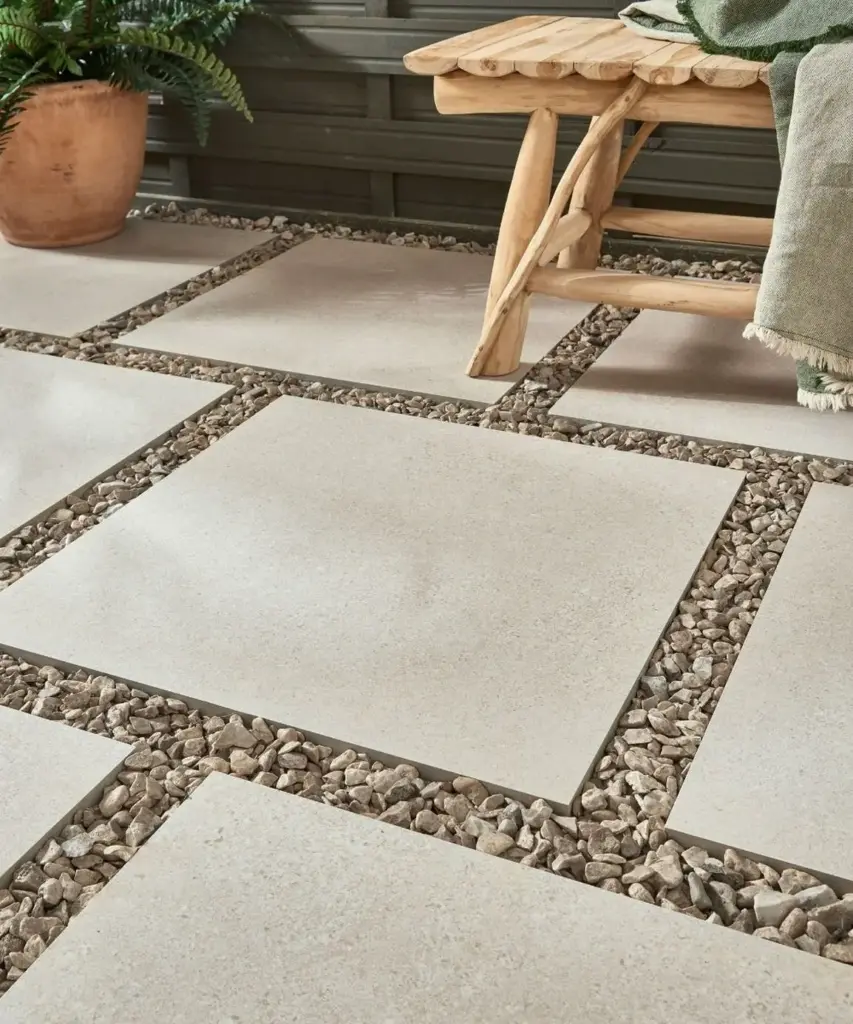
Outdoor paving tiles have surged in popularity because they solve three common problems homeowners face with plain concrete:
- Durability: Modern porcelain and recycled‑plastic tiles are engineered to withstand freeze‑thaw cycles, UV exposure, and heavy foot traffic without cracking.
- Safety: Slip‑resistant finishes and textured surfaces reduce the risk of falls, a critical factor for families with children or seniors.
- Aesthetics: From natural stone looks to bold geometric patterns, tiles let you create a custom look that standard concrete simply cannot match.
According to a 2026 market analysis by the Tile Council of North America (TCNA), sales of outdoor paving tiles grew by 18 % year‑over‑year, driven largely by consumer demand for “designer‑grade” yet low‑maintenance outdoor flooring.
Table of Contents
- Why Outdoor Paving Tiles Outshine Traditional Concrete
- Popular Types of Outdoor Paving Tiles in 2026
- 1. Porcelain Paving Solutions
- 2. Natural Stone Tiles
- 3. Concrete Pavers
- 4. Recycled Plastic Tiles
- Design Trends Shaping Outdoor Spaces in 2026
- Step‑by‑Step Guide to Installing Outdoor Paving Tiles
- 1. Site Assessment & Preparation
- 2. Building a Stable Base
- 3. Laying the Tiles
- 4. Cutting and Fitting
- 5. Grouting and Sealing
- 6. Final Touches
- Maintenance: Keeping Your Tiles Looking Fresh
- Common Mistakes and How to Avoid Them
- Real‑World Case Study: From Drab Deck to Designer Patio
- Frequently Asked Questions
- Can I install outdoor paving tiles over existing concrete?
- Are porcelain tiles truly slip‑resistant?
- How do recycled‑plastic tiles compare to stone in terms of heat retention?
- What’s the typical cost per square foot?
- Do I need a professional for the installation?
Popular Types of Outdoor Paving Tiles in 2026
Choosing the right material hinges on climate, budget, and design vision. Below are the four most common categories you’ll encounter in today’s market.
1. Porcelain Paving Solutions
Porcelain tiles are fired at ultra‑high temperatures, resulting in a dense, non‑porous product that resists water absorption (<5 %). This makes them ideal for rainy climates and poolside installations. The Wikipedia entry on porcelain tiles notes that they are often rated “PEI 5,” meaning they can endure heavy commercial traffic.
2. Natural Stone Tiles
Travertine, slate, and limestone offer a timeless, organic feel. While stone is naturally slip‑resistant, it may require periodic sealing to prevent staining. Recent data from the American Stone Association (2025) shows that homeowners who opt for stone report a 23 % higher satisfaction rate regarding visual appeal.
3. Concrete Pavers
Concrete remains a cost‑effective choice, especially when molded into interlocking shapes. Modern concrete pavers incorporate polymer additives that enhance flexibility and reduce cracking, making them a weather‑resistant option for freeze‑prone regions.
4. Recycled Plastic Tiles
For eco‑conscious projects, recycled‑plastic tiles deliver durability while diverting waste from landfills. They are lightweight, easy to cut, and often come with built‑in UV stabilizers to prevent fading.
Design Trends Shaping Outdoor Spaces in 2026
Tile manufacturers are responding to consumer cravings for bold, yet functional aesthetics. Here are the trends that dominate the market this year.
- Large‑Format Tiles: 24‑inch and larger formats create a seamless look that visually expands small patios.
- Geometric Patterns: Herringbone, chevron, and Moroccan‑inspired mosaics add visual intrigue without overwhelming the space.
- Earthy Tones: Warm grays, muted greens, and sand‑like beiges blend naturally with surrounding landscaping.
- Integrated Lighting: Pairing tiles with recessed outdoor lights highlights texture and improves safety after dark.
According to the 2026 Home Design Trends Report by Houzz, 41 % of respondents listed “large, low‑maintenance flooring” as a top priority for outdoor remodels, underscoring the market’s shift toward expansive tile installations.
Step‑by‑Step Guide to Installing Outdoor Paving Tiles
Even DIY‑enthusiasts can achieve professional results by following these systematic steps.
1. Site Assessment & Preparation
Begin by measuring the area and drawing a scaled layout. Identify high‑traffic zones and plan for drainage—tiles should slope at a minimum of 2 % away from structures. Remove existing grass, soil, or broken concrete, and excavate to a depth of 4‑6 inches, depending on the base material.
2. Building a Stable Base
Lay a 4‑inch layer of compacted crushed stone or polymer‑enhanced sand. Use a plate compactor to achieve a uniform, level surface. A well‑prepared base prevents settling and extends tile life.
3. Laying the Tiles
Start at the center of the area to ensure symmetrical cuts at the edges. Apply a polymer‑modified thin‑set mortar, spreading it with a notched trowel (¼‑inch notch for most porcelain tiles). Press each tile firmly, using spacers (¼‑inch for standard joints) to maintain consistent gaps.
4. Cutting and Fitting
Use a wet saw with a diamond blade for clean cuts on porcelain or stone. For recycled plastic, a scoring blade works efficiently. Always wear safety goggles and ear protection.
5. Grouting and Sealing
Choose a sanded grout for joints wider than ¼‑inch and a polymer‑enhanced, color‑matched grout for tighter joints. Once cured (24‑48 hours), apply a penetrating sealant to stone tiles or a surface‑protective coating for concrete pavers. Sealing enhances slip resistance and reduces staining.
6. Final Touches
Install edge restraints or a metal coping to frame the patio and prevent tile movement. Finally, sweep away excess grout, rinse the surface, and let it cure for a full week before heavy use.
Maintenance: Keeping Your Tiles Looking Fresh
Outdoor paving tiles are prized for low‑maintenance, but a little care goes a long way.
- Regular Sweeping: Remove leaves and debris to prevent organic staining.
- Gentle Washing: Use a pH‑neutral cleaner and a soft brush; avoid acidic solutions that can etch stone.
- Annual Sealing: Re‑apply sealant every 12‑18 months for natural stone and concrete pavers.
- Spot Treatment: For oil or paint spills, a poultice of baking soda and water works well on porcelain.
Data from the National Association of Home Builders (2025) shows that homeowners who reseal their outdoor tiles annually report a 30 % longer lifespan compared with those who skip the step.
Common Mistakes and How to Avoid Them
Even experienced renovators can slip up. Here are pitfalls to watch for:
- Insufficient Base Compaction: Leads to uneven settling and cracked tiles.
- Improper Slope: Water pooling can cause moss growth and slip hazards.
- Using the Wrong Mortar: Thin‑set designed for indoor use may not bond in freeze‑thaw cycles.
- Ignoring Expansion Joints: Large surfaces need joints every 15‑20 feet to accommodate thermal movement.
- Skipping Sealant on Stone: Unsealed stone absorbs stains and deteriorates faster.
Real‑World Case Study: From Drab Deck to Designer Patio
Homeowner Jane L. in Austin, TX replaced a cracked concrete slab with 12 × 12 inch porcelain pavers in a neutral gray finish. She paired the new surface with Valspar deck stain on the adjoining wooden deck, creating a harmonious transition between materials. Within three months, Jane reported a 50 % reduction in maintenance time and an increase in property value, echoing the TCNA’s findings that tile upgrades boost resale appeal.
Frequently Asked Questions
Can I install outdoor paving tiles over existing concrete?
Yes, provided the existing slab is sound, level, and free of cracks. Apply a bonding primer and thin‑set directly over the concrete, but consider a thin‑set with polymer additives for extra adhesion.
Are porcelain tiles truly slip‑resistant?
Many porcelain tiles are rated with a slip resistance coefficient (COF) of 0.5 or higher, meeting commercial safety standards. Look for “anti‑slip” or “textured” finishes to guarantee traction.
How do recycled‑plastic tiles compare to stone in terms of heat retention?
Plastic tiles tend to stay cooler under direct sunlight, making them comfortable for barefoot walking in hot climates, whereas natural stone can become quite warm.
What’s the typical cost per square foot?
As of Q2 2026, average pricing ranges from $4‑$7 per ft² for basic concrete pavers, $8‑$12 for porcelain, and $10‑$15 for premium natural stone. Installation adds roughly $5‑$10 per ft², depending on site complexity.
Do I need a professional for the installation?
DIY installation is feasible for small patios (under 200 ft²). For larger projects or complex drainage requirements, hiring a certified installer ensures code compliance and long‑term performance.
Whether you’re upgrading a modest backyard or designing a grand outdoor entertaining area, outdoor paving tiles offer the perfect blend of durability, safety, and design flexibility. By selecting the appropriate material, following a disciplined installation process, and committing to simple maintenance, you’ll enjoy a beautiful, weather‑resistant surface for years to come.
For complementary upgrades, explore how a fresh exterior door can instantly boost curb appeal or learn the latest deck stain colors that pair beautifully with tile patios.
