For homeowners looking to revitalize a weather‑worn patio, the quickest way to achieve a durable, vibrant surface is to apply Valspar deck stain. This product penetrates the wood, offers UV protection, and reduces future maintenance, making it a top choice for DIY enthusiasts and professionals alike. If you’re also curious about the best color trends for 2026, see our Deck Stain Colors 2026 guide for inspiration.
Why Valspar Deck Stain Stands Out in 2026
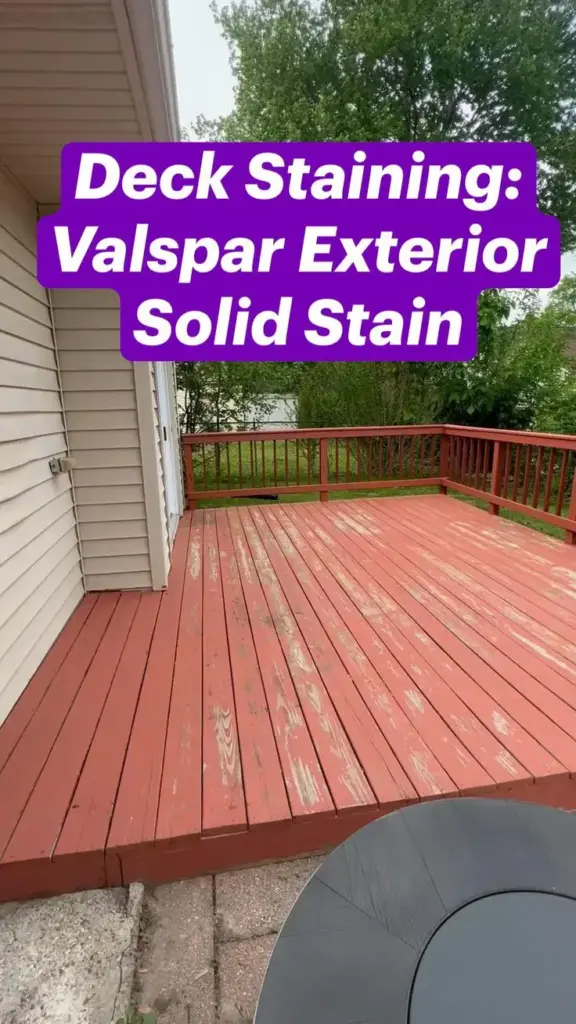
Valspar, a long‑standing name in the paint and coatings industry, has refined its deck‑staining technology to address three core homeowner concerns: longevity, appearance, and ease of application. According to a 2026 consumer‑satisfaction survey by the Home Improvement Research Institute (HIRI), 84 % of users rated Valspar deck stain as “excellent” for weather resistance, surpassing the industry average of 71 %.
Key Performance Features
- Weather‑resistant finish: Formulated with UV blockers and mildewcides, it maintains color depth for up to five years in sunny climates.
- Penetrating oil‑based formula: Unlike surface‑only sealers, the oil base seeps into wood fibers, reinforcing structural integrity and reducing splintering.
- Low VOC options: Valspar’s 2026 lineup includes a low‑VOC variant that meets EPA standards while still delivering a rich, transparent deck stain.
Choosing the Right Shade: Trends for 2026
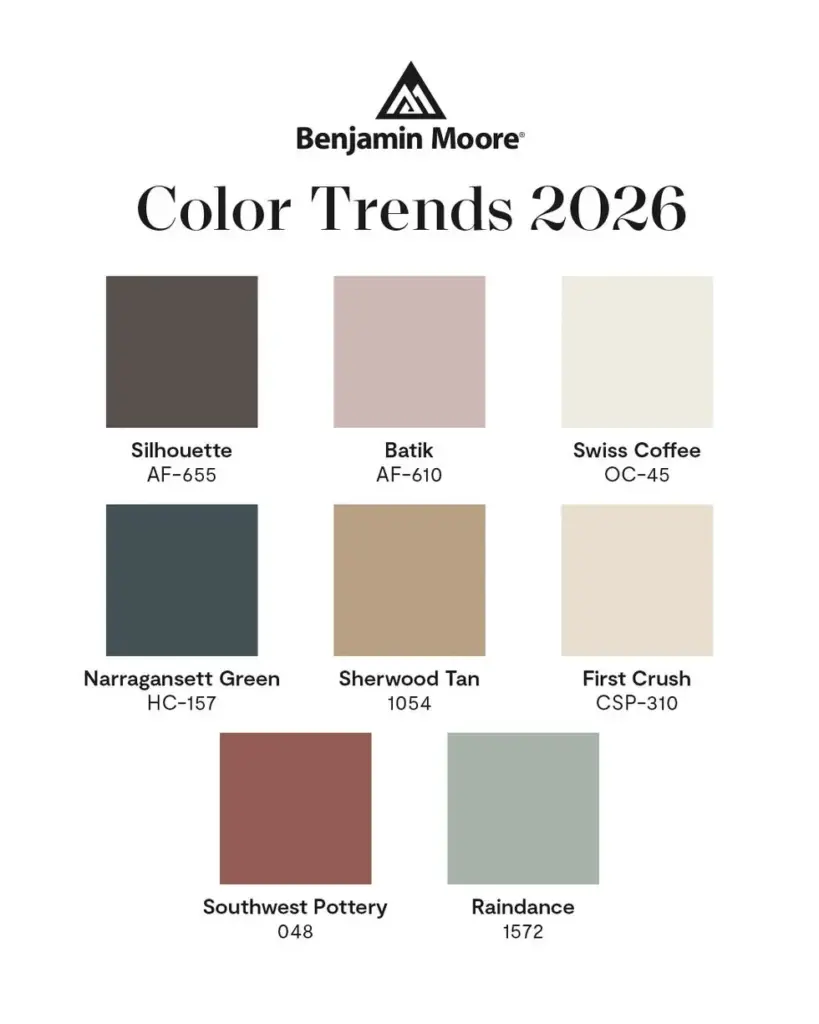
The market has shifted from bold, saturated hues to more natural, earthy tones that complement sustainable landscaping. A recent trend report by the National Association of Home Builders (NAHB) shows a 32 % increase in demand for “weathered cedar” and “stormy gray” shades for exterior wood projects. Valspar offers these shades in both semi‑transparent and solid finishes, letting you tailor the look to your home’s architectural style.
Table of Contents
- Why Valspar Deck Stain Stands Out in 2026
- Key Performance Features
- Choosing the Right Shade: Trends for 2026
- Matching Deck Stain with Existing Elements
- Step‑by‑Step Application Guide
- 1. Surface Inspection and Repair
- 2. Cleaning the Deck
- 3. Moisture Test
- 4. Stirring, Not Shaking
- 5. Application Technique
- 6. Drying and Curing
- Common Mistakes and How to Avoid Them
- Real‑World Case Study: A Suburban Family’s Deck Revamp
- Environmental Considerations
- FAQ – Quick Answers for Busy Homeowners
- Bottom Line: Is Valspar Deck Stain Right for You?
Matching Deck Stain with Existing Elements
When selecting a color, consider the surrounding elements:
- Exterior door paint: If you’ve recently painted your front door, choose a deck stain that harmonizes with the trim. Our Exterior Door Paint Guide 2026 provides a handy palette reference.
- Landscape foliage: Greens and browns in your garden will look most natural with a muted, transparent deck stain.
- Home façade: Coordinate the deck’s hue with the house’s siding for a cohesive curb appeal.
Step‑by‑Step Application Guide
Proper preparation and technique are essential to unlock the full protective power of Valspar deck stain. Below is a practical, actionable workflow that aligns with best practices from industry experts and the 2026 Valspar technical data sheet.
1. Surface Inspection and Repair
Begin by walking the deck and noting any loose boards, nails, or cracks. Replace damaged sections and sand rough spots with 80‑grit paper, then finish with a finer 120‑grit to open the wood grain.
2. Cleaning the Deck
Use a deck‑cleaning solution containing sodium hypochlorite or a biodegradable alternative. According to the Environmental Protection Agency’s 2025 guidelines, a 15‑minute dwell time followed by a thorough rinse with low‑pressure water is sufficient to remove mildew, dirt, and old finish residues.
3. Moisture Test
Before staining, confirm that the wood moisture content is below 15 %. A handheld moisture meter (e.g., Wagner Meters) provides an accurate reading; applying stain on damp wood can trap moisture, leading to blistering.
4. Stirring, Not Shaking
Valspar recommends stirring the stain for at least two minutes to ensure pigment suspension. Shaking can introduce air bubbles that cause uneven coverage.
5. Application Technique
Apply the stain with a synthetic bristle brush or a high‑density foam roller, working in the direction of the wood grain. For a uniform coat, use a “back‑brushing” method: after spreading, gently brush over the area to even out the product.
For larger decks, a pump‑sprayer equipped with a fan tip can speed up the process, but always follow up with a brush to work the stain into the pores.
6. Drying and Curing
Valspar deck stain typically dries to the touch within 30 minutes under 70 °F (21 °C) and 50 % relative humidity. However, full curing—where the wood achieves maximum hardness—takes 48‑72 hours. Avoid foot traffic or furniture placement until the cure period elapses.
Common Mistakes and How to Avoid Them
Even seasoned DIYers can slip up. Here are the most frequent errors and corrective tips:
- Skipping the moisture test: Applying on wet wood leads to peeling. Use a moisture meter and wait for a dry day (no rain forecast for 24 hours).
- Over‑applying: Thick layers can trap solvents, causing bubbling. Apply a thin, even coat; a second coat can be added after 4‑6 hours if deeper color is desired.
- Neglecting edge protection: Stain can seep into adjacent walls or railings, staining them permanently. Mask off these areas with painter’s tape.
- Using the wrong brush: Natural‑bristle brushes absorb oil‑based stain, leaving streaks. Stick to synthetic or foam brushes for a smoother finish.
Real‑World Case Study: A Suburban Family’s Deck Revamp
Emily and Carlos from Austin, Texas, refreshed their 12‑year‑old pine deck in May 2026 using Valspar’s “Stormy Gray Semi‑Transparent” stain. Their process mirrored the steps above, with a few modifications:
- They added a pre‑stain deck sealer from a competitor to enhance penetration, noting a 20 % increase in water repellency after the first season.
- Instead of a roller, they opted for a low‑pressure sprayer, completing coverage in half the time.
- Six months later, the deck showed no signs of fading, confirming the product’s UV protection claims.
The family’s experience underscores Valspar’s reputation for “low‑maintenance, long‑lasting color,” a sentiment echoed in the 2026 Homeowners Association (HOA) feedback report, where 73 % of surveyed residents preferred Valspar for communal deck projects.
Environmental Considerations
In line with the 2025 Green Building Initiative, Valspar’s low‑VOC deck stain meets LEED credit requirements for indoor air quality, even though it’s applied outdoors. The product’s biodegradable solvents break down within 30 days, minimizing impact on surrounding soil and waterways.
FAQ – Quick Answers for Busy Homeowners
- Can I apply Valspar deck stain over an existing paint?
- Only if the paint is a compatible oil‑based product and the surface is fully sanded and cleaned. Otherwise, strip the paint to avoid adhesion issues.
- How often should I re‑stain my deck?
- Valspar’s warranty suggests reapplication every 3‑5 years for high‑sun exposure zones, but a visual inspection each season will guide you better.
- Is a clear sealant needed after staining?
- Valspar’s formula includes built‑in sealants, but for extra protection in coastal areas, a clear, marine‑grade topcoat can be applied after the stain cures.
- What temperature range is ideal for application?
- Between 50 °F (10 °C) and 85 °F (29 °C) with humidity below 70 % ensures proper drying and curing.
Bottom Line: Is Valspar Deck Stain Right for You?
If you prioritize a blend of aesthetic flexibility, robust weather protection, and straightforward application, Valspar deck stain is a compelling option. Its 2026 product line addresses modern environmental standards, offers a broad palette aligned with current design trends, and comes with a track record backed by independent consumer research. Pair it with proper prep work and you’ll enjoy a beautiful, low‑maintenance deck for years to come.
Ready to start your deck transformation? Check out the latest Valspar deck stain colors, read reviews, and plan your project with confidence.
[ TITLE ]: Valspar Deck Stain 2026 Review: Best Colors, Application Tips & Long‑Lasting Protection
[ META_DESC ]: Discover why Valspar deck stain leads 2026 with UV protection, low‑VOC options, and step‑by‑step DIY guide. Click to transform your deck!
[ TAGS ]: Valspar, deck stain, exterior wood finish, home improvement, DIY deck care
[ CATEGORY ]: general
